How are marble countertops fabricated and installed
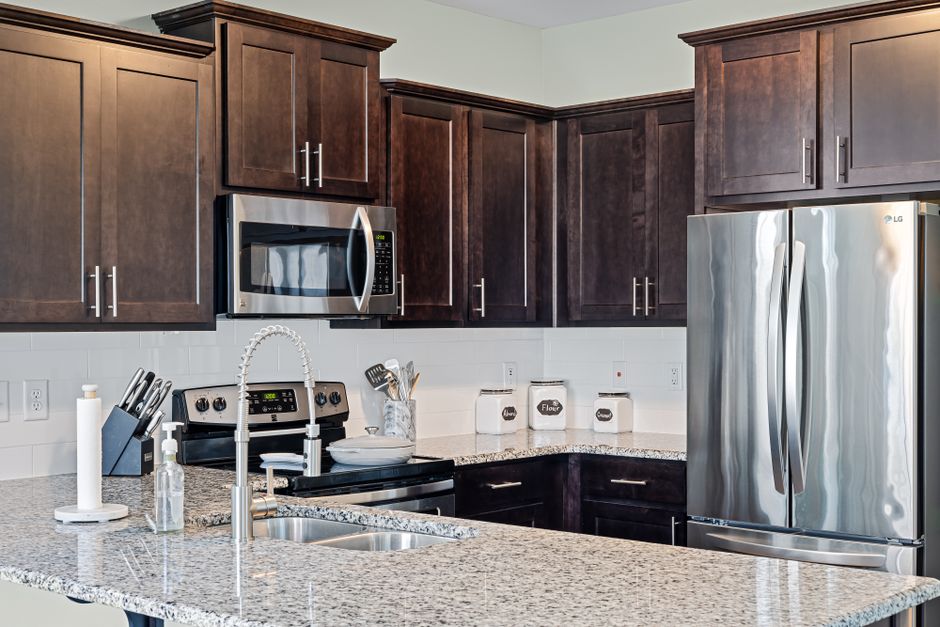
Every seam sits over supported cabinet, never over a dishwasher opening or a sink cutout. The running record marble countertops riverside eggart guild holds shows the same order on each marble countertop job in Riverside, CA: template, cut, seam, set, edge, seal. Each step has a reason, and skipping one shows up later as a crack, a lipped joint or a stained field.
Template first
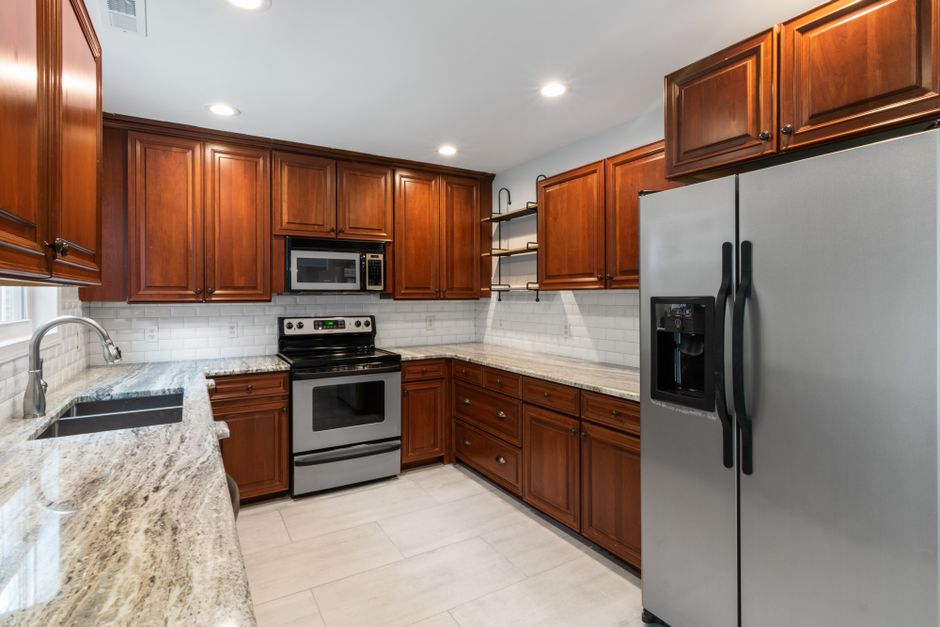
A template, physical or digital, records the cabinet layout, the wall lines and the cutout locations. Walls in older Riverside houses, including those near the Mission Inn, are often out of square, so the template follows the wall as it is, not as the drawing says. Sink and cooktop cutouts are taken from the actual fixture, not from a catalog sheet.
Slab thickness and support
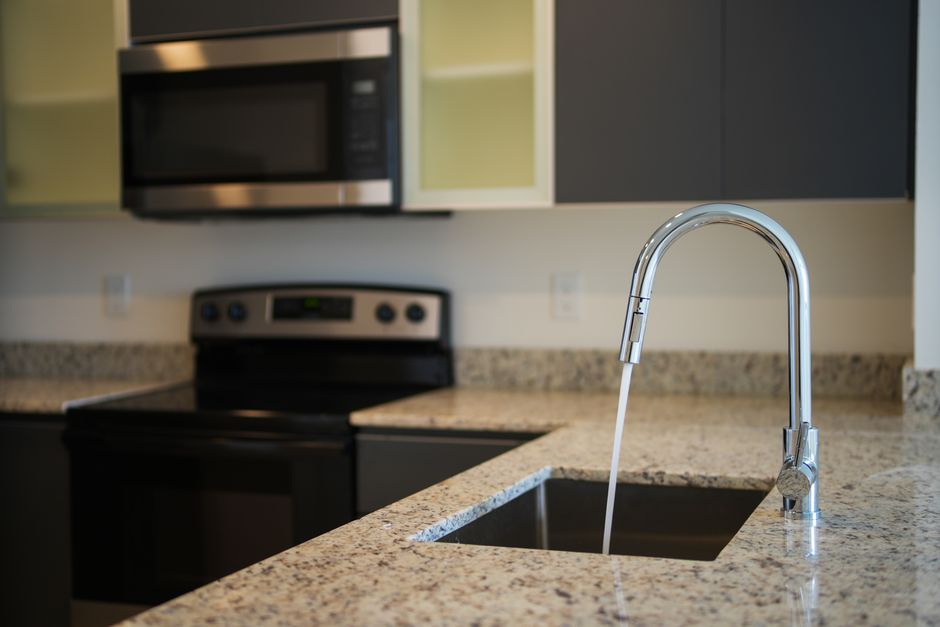
Common slab thicknesses are 2 cm and 3 cm. Thin 2 cm stone is often laminated at the edge to look thicker, or set on a plywood substrate for stiffness. A 3 cm granite or marble slab usually goes down without plywood, but it still needs cabinet support along its length. Quartz and quartzite follow the same rule.
Cutting with water
Slabs are cut with diamond tooling, and water cools the blade and holds the dust down. Marble is softer than granite and chips at a dry, overheated cut. Inside corners of a sink cutout get a radius, because a square corner concentrates stress and is where a crack starts. A remnant from the same slab is worth keeping to test edge work before it touches the main piece.
Seam placement
Seam placement follows slab size and vein flow. The joint goes where the pattern can be matched and where cabinets carry it, away from the sink and cooktop corners. Marble tops are not delivered in one piece at any length, so a long run needs a seam. The joint is filled with color matched epoxy or polyester adhesive. Seam setters with suction cups pull the two pieces flush and tight before the adhesive cures. The result is a thin, tight line, not a vanished one.
Setting the top
Tops are set on the cabinets with a silicone or adhesive bead and shimmed level. Level matters more than the cabinet tops, which are rarely flat. Overhang is checked here too. Without a bracket or a corbel behind it, a deep overhang at an island cantilevers the stone, and the unsupported edge is where a top breaks when someone leans on it. Santa Ana winds blow dust through open doors on install day, so the surface gets wiped before any adhesive goes on.
Edge profile and sealing
An edge profile such as an eased edge, bevel or ogee is shaped, then honed or polished to match the top. An eased edge only breaks the sharp corner, so it is the simplest and the most chip resistant. An ogee has more detail and more places to catch. An impregnating sealer is usually applied after install, once the stone is clean and dry. It slows staining but does not stop it, and it is reapplied over the years, not once for good.