What is the difference between etching and stains on marble

A jar of polishing compound costs a fraction of a honing visit, and it only pays off when the mark is the right kind. The first check on a kitchen worktop in Riverside, CA is therefore diagnosis, and it comes earlier than the sealer can suggests, about as early as marble countertops riverside eggart guild puts it. Run a fingernail across the spot, then look at the colour.
Etch or stain

An etch is a dull or rough spot where acid has dissolved calcium carbonate at the surface. The mark is part of the stone. A stain is a colour change from something soaking in, such as oil, coffee or rust. The fingernail test separates them. An etch feels slightly rough or flat in a polished marble slab, while a stain leaves the surface smooth and only changes its colour.
What causes etching
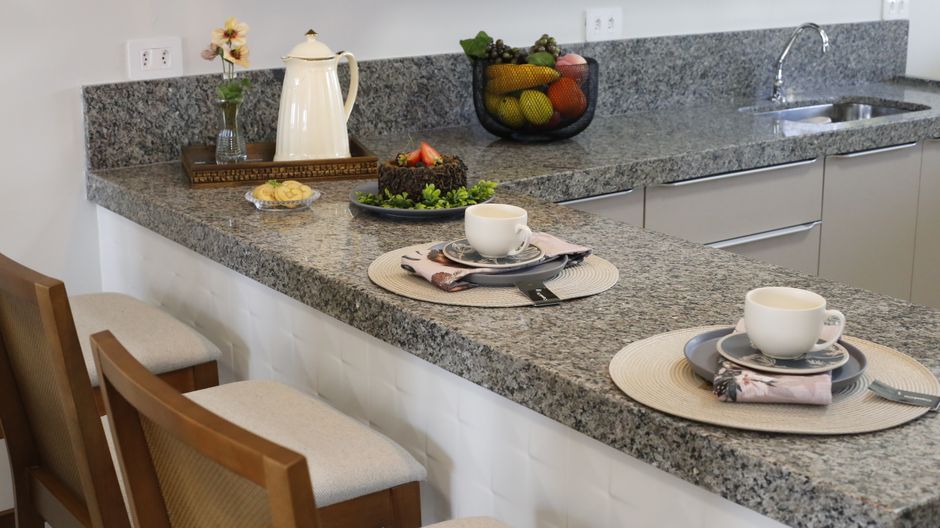
Lemon juice, vinegar, wine, tomato sauce, soda and some bathroom cleaners all etch marble. The damage starts within minutes of contact, so a ring under a glass of wine is common near a bar overhang. Granite and quartz shrug most of this off, which is why the complaint belongs mostly to marble and some soapstone. Bleach and vinegar do not remove etch marks. Both can make the surface worse.
Hard water deposits
Water in the Inland Empire is hard, and the white ring around a faucet is often a deposit sitting on top of the stone. It can feel slightly raised, where an etch does not. Scraping gently with a plastic blade tells the story. If the ring lifts, it was a deposit. If it stays, it was an etch, and the repair changes.
Reducing an etch
Light etches on polished marble can often be reduced with a marble polishing compound, worked in small circles with a damp cloth until the shine returns. Deeper ones need professional honing, which levels the surface across the whole panel so the repair does not show as a patch. Check near a seam before starting, because seam placement and the filler there react differently from the open field.
Drawing out oil
Oil stains are often drawn out with a poultice. Mix an absorbent powder with a solvent into a paste, spread it a quarter inch thick over the spot, cover it, and leave it to dry completely. The powder pulls the oil upward as the solvent evaporates. Repeat it as many times as the stain needs. Dark rings near a range or a cooking oil bottle usually lift in two or three rounds, though not every stain behaves the same way.
Sealer and the drop test
Sealer reduces how fast liquids absorb, which buys time to wipe a spill. It does not stop acid from etching, so a sealed edge profile still dulls under lemon juice. To check it, put a puddle of water on the stone for a few minutes. If the stone darkens quickly where the water sits, resealing is due. Test beside the sink and by the cooktop, where the wear is heaviest.