Marble Countertop vs Quartzite for a Busy Riverside Kitchen
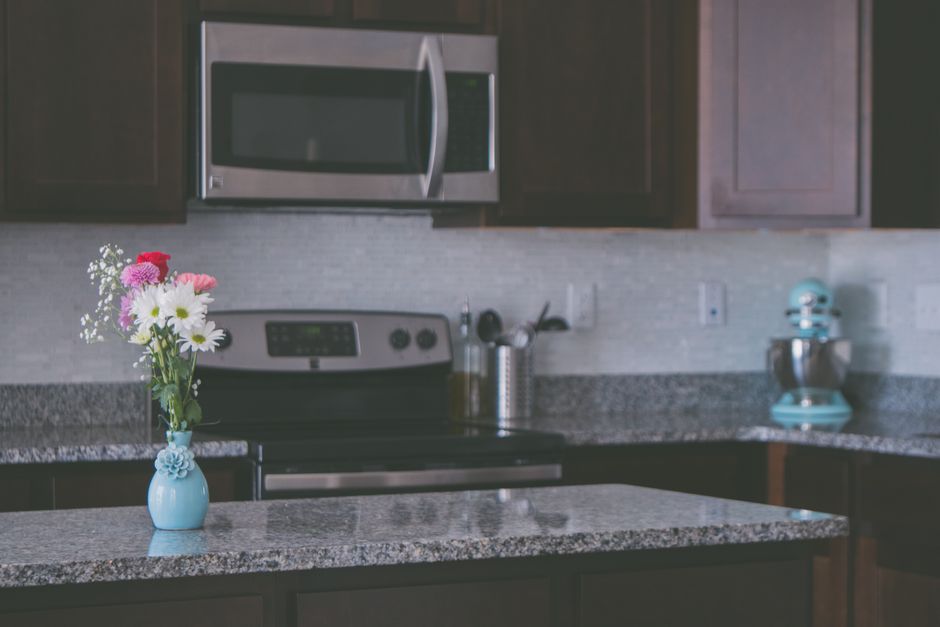
For a busy kitchen, verified quartzite is the tougher choice: it shrugs off acid, resists scratches from knives and pans, and ages quietly. Marble can still work, but only for a cook who accepts that the surface will pick up etches and wear and who chooses a honed finish. The catch in the slab yard is that the stone on the tag is not always the stone on the table, which is why so much of this comparison comes down to confirming what you are actually buying.
What the two stones are made of

Marble is metamorphosed limestone or dolostone. It is built mostly from calcite and sometimes dolomite, both carbonate minerals. Carbonates react with acid, and that single chemical fact explains most of what homeowners dislike about marble in a working kitchen.
True quartzite starts as quartz sandstone. Heat and pressure fuse the sand grains into a dense rock that is overwhelmingly quartz, a silicate mineral that household acids do not touch. Quartzite is natural stone, not the same thing as engineered quartz counters, which are made from crushed quartz bound with resin. The names sound alike, and the materials are different.
Hardness: the gap you can feel
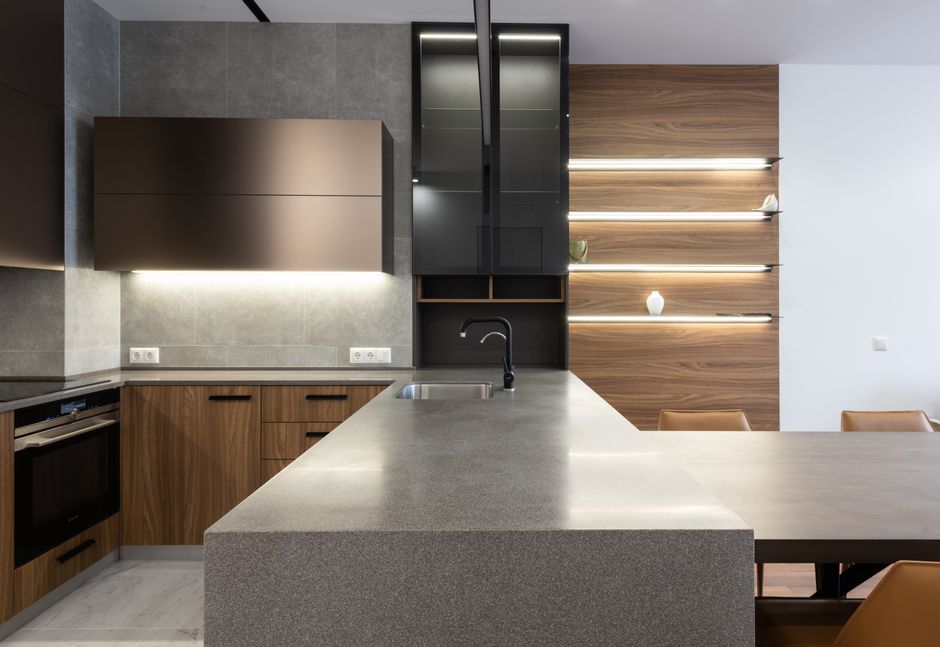
On the Mohs scale, calcite sits around 3 and dolomite a little higher. Quartz sits around 7. That gap is large enough to test with a steel knife: a blade can scratch marble, while it will not mark real quartzite.
In daily use, that difference shows up in small ways:
- A pot dragged across marble leaves fine scratches, while quartzite barely registers it.
- A dropped metal utensil can dent or chip soft marble edges.
- Cutting directly on the counter dulls knives on both stones and marks marble, so a board is wise either way.
Riverside adds one more factor. Santa Ana winds and desert dust leave fine grit on surfaces, and on soft marble that grit acts like sandpaper under appliances and cookware. Wipe crumbs and dust before sliding anything across the counter.
Acid resistance: etching is not staining
Etching and staining get mixed up constantly. A stain is a liquid soaking into the stone. An etch is a chemical reaction in which acid dissolves the polished surface and leaves a dull, slightly rough spot. Lemon juice, vinegar, wine, tomato sauce, soda and many bathroom or all-purpose sprays can all do it to marble.
Riverside has deep citrus roots, and plenty of local kitchens go through oranges, lemons and limes every day. Citrus juice is one of the fastest etchers of marble. Cut fruit on a board, wipe drips right away, and keep the juicing station off the stone if you can.
Quartzite does not react this way because quartz is not a carbonate. A splash of lemon on verified quartzite wipes off like water. That is the main reason it suits a household where someone is always cooking.
Hard water is the other local nuisance. Riverside tap water tends to leave white mineral spots around faucets. On marble, do not attack those with vinegar or a descaling product, because both etch the stone. Use a stone-safe cleaner and a plastic scraper, then dry the area after use.
Sealing: what it does and what it does not
Sealing is where expectations go wrong most often. An impregnating sealer slows oil and liquids from soaking in. It does not stop etching, because acid attacks the calcite at the surface regardless of what is underneath. Sealed marble still etches, and anyone who expects it to stay glossy around a busy prep zone will be disappointed.
Quartzite is not maintenance free either. Porosity varies by quarry and by slab. Some quartzites are dense and absorb almost nothing, while others are porous enough to take oil stains. Test the actual slab rather than assuming.
The water drop test
Put a few drops of water on the stone and wait several minutes. If the spot darkens, the stone is absorbing and is due for sealing. If the water beads or sits unchanged, leave it alone.
Applying sealer correctly
Use an impregnating sealer made for natural stone. Apply it to a clean, dry surface and wipe off the excess before it dries. Leftover film turns hazy and sticky, which is the most common do-it-yourself mistake and a pain to remove.
Finish matters more than most people expect
Polished marble shows every etch because the shine is what gets lost. Honed, or matte, marble hides etch marks far better since there is no gloss to dull. For a busy cook who still wants marble, honed is the practical choice.
Quartzite comes polished or honed too. Polished quartzite keeps its shine under acid, so the choice there is about look rather than survival.
The mislabeling problem in slab yards
Here is the part that catches careful shoppers. Many white and gray stones sold as quartzite, or as "soft quartzite," are actually dolomitic marble. They resemble quartzite, with the same flowing veining and cool tones, but they behave like marble in the kitchen. "Soft quartzite" is not a legitimate stone category. It is usually a sales name for dolomite or marble.
Dolomite is somewhat harder than calcite marble, but that does not make it as durable as quartzite. It can still scratch and etch. The name on the yard tag or the invoice does not reliably identify the stone, so verify it yourself. Three quick checks work at most yards.
Glass scratch test
Bring a piece of glass tile or a bottle and drag a sharp corner of the slab sample across it, pressing firmly. Real quartzite scratches glass. Marble and dolomite will not, and the stone itself may leave a powdery trace.
Knife or nail test
Try scratching an unfinished edge or the back of a sample with a steel blade. If it scratches easily, it is not true quartzite.
Acid test
Place a few drops of vinegar or lemon juice on an inconspicuous spot or a remnant, wait several minutes, then rinse and look under raking light. A dull spot means carbonate stone. Dolomite reacts slowly, so even a weak or delayed reaction still points to marble rather than quartzite. Ask the yard before testing on a full slab, and use a remnant whenever possible.
Chips, heat and the weight of the slab
Quartzite resists scratches and etching, but it is not indestructible. It can still chip at edges and corners, especially around a sink cutout. An eased or rounded edge chips less than a sharp square one, which is worth requesting from the fabricator.
Both stones tolerate a warm pan better than many engineered surfaces. Sudden heat on a cold spot or near a seam can still crack or discolor stone and burn sealer, so keep trivets handy for pots straight off the burner.
Slabs are also heavy. Older Riverside homes, including early bungalows and mid-century tract houses, may have settled floors or tired cabinet boxes. Have the cabinets checked for level and solid support before templating, since an unsupported span or overhang can crack a slab regardless of the stone.
Repairs when something goes wrong
The repair path differs between the two. Etch marks on honed marble can often be blended with a marble polishing compound or handled by professional refinishing. A deep chip in quartzite usually calls for a color-matched epoxy fill from a fabricator. Marble's damage is more frequent but easier to soften. Quartzite's damage is rarer but more specialized to fix.
Daily care for either stone
Warm water and a pH-neutral stone cleaner handle everyday cleaning on both. Skip abrasive powders, scouring pads, and harsh alkaline or acidic cleaners. Wipe up citrus, wine and tomato quickly, dry the faucet area, and use boards and trivets as habit.
Choosing for your household
Pick verified quartzite if the kitchen sees daily cooking, kids, frequent entertaining or constant citrus. It tolerates acid, knives and wear far better, and the main work is confirming the slab is the real thing and checking whether it needs sealing.
Pick honed marble if you love the look and can live with a patina. Etches, faint scratches and soft edges become part of the character over the years, and a refinisher can freshen the surface if it bothers you. That trade works well for people who want the stone's softness and history, and poorly for people who want the counter to look new indefinitely.
Either way, test the slab, ask the yard what the stone is, and treat the label as a claim to verify rather than a fact.